
Garage Door Maintenance in Goodyear, AZ
A tune-up catches the worn roller, the loose bolt and the spring that's lost its balance while they're still small. Here's what we check, and the three tests worth doing yourself every month.
Think Of It as a Service Interval
You wouldn’t drive a car for years without a service, yet a garage door, which moves every time anyone comes or goes, can go that long without a second look. A maintenance visit happens while the door still works. The goal is to find the worn part before it strands a car.
On a tune-up we:
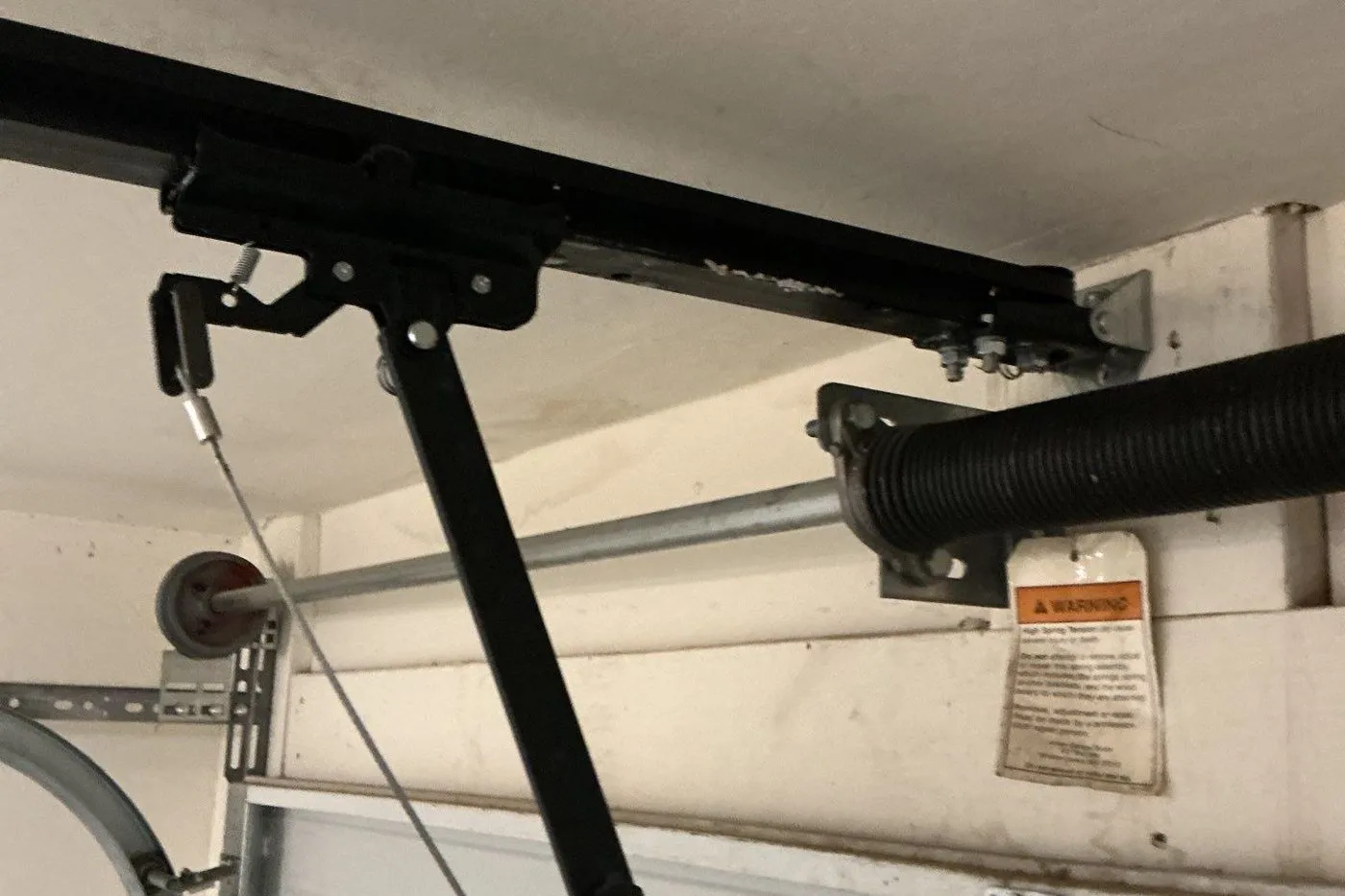
- Lube the hinges, roller bearings, springs and bearing plates with a silicone-based spray.
- Check spring balance by lifting the door halfway by hand and watching what it does. A door that drifts means the springs need adjusting, or they’re near the end.
- Align and clean the tracks, since bent or loose track makes rollers bind and the opener work harder.
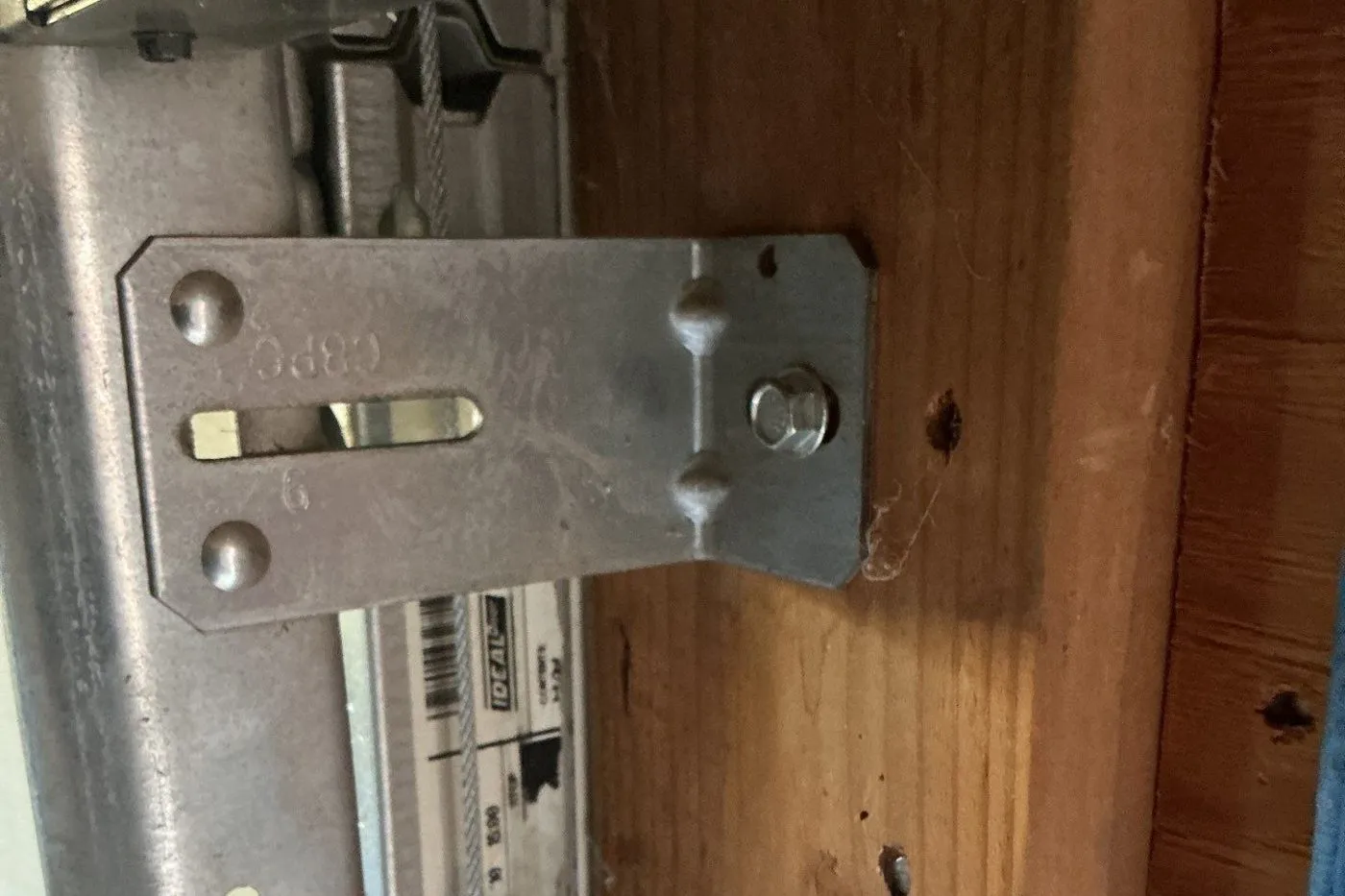
- Tighten hinge bolts, track brackets and lag screws. Hundreds of trips a year shake them loose. Bottom brackets stay alone, since they’re under spring tension.
- Inspect cables and rollers, and flag frayed strands or cracked wheels.
- Run the auto-reverse test and a photo-eye check on the opener.
You’ll get a short list of what’s wearing and how soon it’ll need work. If something needs fixing that day, you decide before we do it.
Questions about your house? Call (623) 546-8868.
Dust And The Right Lube
In the West Valley, dust does more damage to door hardware than rust. Monsoon storms push it into the garage, and it settles into the tracks, hinges and roller bearings. On the wrong lube it turns into a paste that grinds the parts it was supposed to protect.
So the type of lube matters. Clopay recommends a silicone-based garage door lube and tells owners to avoid WD-40 and oil products, which “attract dirt and dust.” WD-40 is mainly a cleaner and water displacer, not a lubricant for this job. Heavy grease is just as bad here, since it holds on to every bit of grit that lands on it.
Clopay’s schedule is every 3 to 6 months, and it notes that in dusty climates lube may not last as long. Out here, lean toward the shorter end.
One more rule: don’t lube the tracks. Rollers are supposed to roll in a clean, dry track. Wipe the tracks out instead.
Garage Door Services in Goodyear
Springs, openers, sensors, cables and new doors. One phone number for all of it, answered 24/7 for emergencies.
Request an EstimateMaintenance in Goodyear Neighborhoods
We cover all of Goodyear. Each neighborhood page covers how the garages there were built and what tends to wear out first.
Three Tests to Do Every Month
These take a few minutes, and none of them involves touching springs, cables or bottom brackets.
-
The balance test. With the door fully closed, pull the red release cord. Lift the door by hand to about halfway and let go. It should hold its position, or drift only slightly. If it slides down or shoots up, the springs need adjusting or replacing. Close the door and reconnect the opener. Skip this test if a spring looks broken.
-
The reverse test. Lay a 2x4 flat on the floor in the door’s path. Close the door with the opener. When the door touches the board, it should reverse within 2 seconds. If it stops and stays down, or presses down on the board, the opener needs adjusting, and the door shouldn’t be used around kids or pets until it’s fixed.
-
The photo-eye test. Start closing the door, then pass a broom handle through the beam near the floor. The door should stop and reverse right away. If it doesn’t, check our page on photo eye problems.
If any test fails, call (623) 546-8868. Don’t adjust springs or cables yourself.
Signs It’s Time For More Than a Tune-Up
Lube won’t fix a worn-out part. Book a repair visit if you notice:
- A loud bang from the garage while the door was closed. That’s usually a spring letting go. See spring repair.
- A door that shakes, rubs, or sits lower on one side
- Rollers that grind even after lube, or that have flat spots
- A cable with broken strands near the bottom bracket
- An opener that strains, hums, or stops partway. Our page on an opener that’s acting up covers the usual causes.
Most of those are routine garage door repair jobs if they’re caught early.
When to Book One
Once a year is a sensible schedule for most homes, more often if your garage door is your front door and gets used a dozen times a day. Late spring, before the heat sets in, is a good time for it.
Pick a month, put it on the calendar next to the three monthly tests, and call (623) 546-8868 to set the visit. You can also see the rest of what we do on Goodyear AZ Garage Door Service’s home page.
Questions We Hear a Lot
How Often Should a Garage Door Be Lubricated?
Clopay recommends lubing the moving parts every 3 to 6 months with a silicone-based spray. It also notes that lube may not last as long in dusty climates, so lean toward the shorter end in the West Valley. Hit the hinges, roller bearings and springs. Leave the tracks dry, since lube there just gathers grit.
Is WD-40 OK on a Garage Door?
Not as a lubricant. Clopay tells owners to avoid WD-40 and oil products on garage doors because they attract dirt and dust. WD-40 is mainly a cleaner and water displacer, so it can strip what's there and leave the parts drier than before. Use a silicone-based garage door spray instead, and skip heavy grease too.
What's Included in a Garage Door Tune-Up?
We lube the hinges, rollers and springs with silicone, check and adjust spring balance, align and clean the tracks, tighten hinges, brackets and track bolts, inspect cables and rollers for wear, and run the safety tests: the auto-reverse test and a photo-eye check. You get a plain list of anything that's wearing out, so you can plan ahead.